
What Should a Landlord Do With Items a Tenant Leaves Behind?
Blogs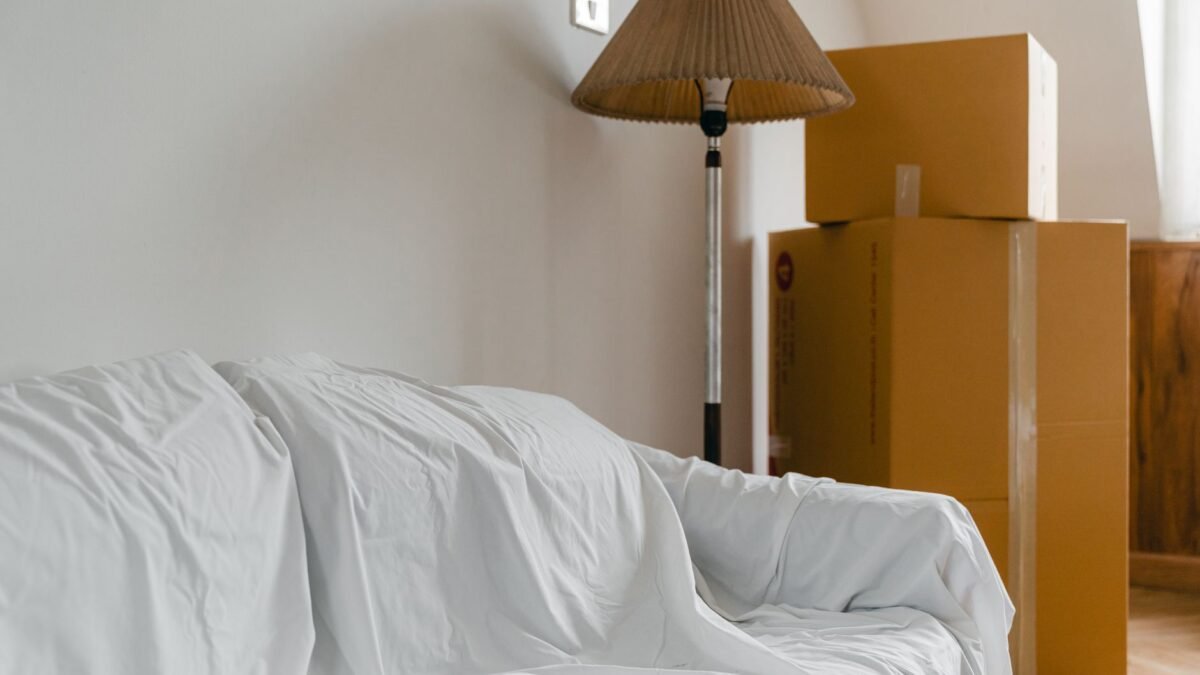
You go to inspect a property after the keys come back and find a sofa, a broken wardrobe, bags of clothes and a fridge full of food. It is tempting to hire a van and get everything out the same afternoon so you can start re-letting. But what you do with a tenant’s leftover belongings matters, both legally and for your deposit dispute if one follows.
This guide covers the sensible order of steps. It is general guidance rather than legal advice, so if a situation is complicated, speak to a solicitor or your landlord association.
Stop before you throw anything away
Things left in a property do not automatically become yours or become rubbish. Until you are sure the tenancy has properly ended and the tenant has given up the items, they may still belong to the tenant. Disposing of them too quickly can leave you open to a claim.
First, confirm the tenancy has actually ended. That means the tenant has given notice and handed back the keys, or the tenancy has ended through a proper legal process. If you are unsure, get advice before touching anything.
Sort what is left into three groups
Walk through the property with your phone and divide the contents mentally into three groups.
1. Obvious rubbish
Food waste, broken items, old bin bags, damaged mattresses, stained carpets offcuts and the like. These are low risk, but photograph them before they go.
2. Furniture and belongings of possible value
Working furniture, electronics, bikes, clothing in good condition. These are the items a tenant could reasonably come back for. Treat them with more care.
3. Personal papers and sensitive items
Post, bank letters, ID, laptops, phones, medication and photographs. Do not bin these. Bag them separately and store them securely. Items like medication and anything containing personal data need careful handling.
The steps to follow, in order
- Check your tenancy agreement. Some agreements say what happens to goods left behind. Follow that wording where it exists.
- Photograph and list everything. Take dated photos of each room before you move a single item. A simple written list of what is there and its condition is useful evidence later.
- Try to contact the tenant in writing. Use every address, email and phone number you hold, including any forwarding address and guarantor. Say what has been left, where it is, and that you need it collected by a stated date.
- Allow a reasonable period. The law on uncollected goods is covered by the Torts (Interference with Goods) Act 1977, which sets out a notice process before goods can be sold or disposed of. The detail matters, so check the current requirements or take advice before relying on it.
- Store valuable or sensitive items safely. Keep them somewhere dry and secure until the notice period has passed.
- Arrange removal of the rubbish and unwanted items. Once you are confident you are entitled to dispose of them, book a licensed carrier.
- Keep your records. Hold on to photos, letters, emails and your waste paperwork for as long as a dispute might reasonably arise.
What about the cost of clearing?
If the tenant has left the property in a state that goes beyond fair wear and tear, you may be able to claim reasonable disposal costs from the deposit. This has to go through the correct deposit protection scheme process, and you will need evidence: your photos, your inventory from check-in, and a receipt or invoice for the work. Claims that are vague or unsupported tend to struggle, so keep documents tidy.
Common leftovers and how to deal with them
Sofas, mattresses and bulky furniture
These are the items most likely to be left and the hardest to move on your own, especially from upstairs flats. A crew can carry them out and load them for you. Our bulky item collection service is aimed at exactly this kind of job.
Fridges, freezers and washing machines
Appliances need proper disposal rather than a skip or a kerbside dump. If a fridge has been switched off with food inside, expect a smell, so empty and bag the contents first if you can. We cover this in more detail on our appliance removal page.
Garden items and outdoor clutter
Do not forget the shed, patio and side return. Tenants often leave broken furniture, pots, and old barbecues outside. Include the outdoor areas in your photos and your list.
Hazardous items
Paint, chemicals, gas bottles and anything you suspect contains asbestos need special handling and cannot go in a normal clearance. Set these aside and ask your carrier what they can and cannot take before the day.
Use a licensed carrier and get paperwork
As the person arranging the clearance, you have a duty of care to make sure the waste goes to the right place. That means using a registered waste carrier, not someone who turns up with a van and an offer to take it for cash. Ask for the carrier’s Environment Agency licence number and check it on the public register. Ours is CBDU654313. You should also receive a waste transfer note for the job.
If waste from your property is fly-tipped by someone you hired, it can be traced back to you. Paperwork protects you.
Reuse where you can
Not everything left behind is rubbish. Usable furniture and household goods can often be reused, and sorting them properly keeps more out of landfill. At Junkbusters, over 90% of the waste we collect is reused, recycled or recovered, so it is worth mentioning anything that is still in decent condition.
Plan the clearance around your next tenancy
If you manage several properties, it helps to work out your process before the next problem tenant. A short checklist can save a lot of stress:
- Keep a dated check-in inventory with photos for every tenancy.
- Put a clause in your agreement about goods left behind.
- Record forwarding addresses at check-out where possible.
- Have a licensed local clearance firm you can call.
For a single room or a small load, a man and van rubbish removal booking is often enough. Larger or fuller properties may need a longer visit, and describing what is there in advance helps the crew plan.
Ready to clear the property?
Once you have photographed everything, followed the right notice steps and are happy that the items can go, we can take it from there. Our crew does all the lifting and loading, and you can book a collection online for properties across Birmingham and the wider West Midlands.
Need rubbish removed?
Junkbusters is a licensed waste carrier covering Birmingham and the West Midlands. Same-day collections, all lifting included.
More rubbish removal guides
 Blogs
Household Waste Management: The Complete Guide
A clean and well-kept home is every homeowner’s dream, but keeping up with the amount of waste that comes from the average household can seem…
Read article
 Blogs
Fly-tipping Birmingham
We are going to show you the impacts of fly-tippers and how to avoid them.
Read article
 Blogs
Garden Waste Removal, Garden Clearance & House Clearance in Birmingham: The Complete Guide
In the heart of the Midlands, where city life collides with leafy suburbia, mess has a way of sneaking into our lives—whether it’s autumn leaves…
Read article