
What to Do Before Clearing a Loved One’s Home After a Death
Blogs
When someone dies, the house they leave behind can feel like one more thing demanding a decision. There is often pressure, real or imagined, to get it emptied quickly. But the order you do things in matters, and a few steps taken first can save you from regret, family arguments and paperwork problems later.
This is a practical checklist for the stage before the clearing itself. It is general guidance rather than legal advice, so if the estate is complicated, speak to the solicitor or whoever is handling probate.
1. Find out who has the authority to act
Before anything is thrown away, given away or sold, be clear about who is responsible for the estate. Usually this is the executor named in the will, or an administrator if there is no will.
If you are not the executor, check with them before you start. Items in the house may be named in the will, may have financial value, or may need to be listed as part of the estate. Once something is gone, it is hard to undo.
2. Secure the property
An empty home can attract problems quickly. Make sure doors and windows are locked, keys are accounted for, and post is being collected or redirected.
It is also worth checking the home insurance. Many policies place conditions on properties that stay unoccupied for a period, so it is best to ring the insurer and explain the situation rather than assume you are covered.
3. Look for documents before anything else
Important papers are often tucked away in odd places. Before you start filling bags, go through the obvious spots and a few less obvious ones:
- Desk drawers, bedside cabinets and kitchen drawers
- Biscuit tins, shoe boxes and old handbags
- Coat pockets and the backs of wardrobes
- Filing boxes in lofts, garages and spare rooms
You are looking for the will, bank and pension statements, insurance policies, property deeds, tenancy agreements, mortgage paperwork, car documents and recent bills. Keep these together in one clearly marked box. Shred anything with personal details only once you are sure it is not needed.
4. Take a record before you move things
Photograph each room as you find it, including the insides of cupboards and wardrobes. It takes a few minutes and gives you a record if anyone later asks what was in the house, or if relatives remember things differently.
A simple written list of larger items such as furniture, jewellery, artwork, collections and electrical goods is also useful, especially where there are several family members involved.
5. Sort items into clear groups
Trying to decide about every object one by one is exhausting. It is easier to work through the house with a handful of categories and a few labelled boxes:
- Keep: items family members want, sentimental pieces and anything named in the will
- Check: anything that might have value, such as jewellery, antiques, watches, coins or art, which may be worth getting looked at before you decide
- Donate or sell: good-quality furniture, clothing, books and household goods that someone else could use
- Dispose: broken items, worn furniture, damaged mattresses, old paperwork you have checked and general rubbish
Go room by room rather than hopping around. Starting with the least emotional spaces, such as the garage, shed or kitchen cupboards, can make it easier to find a rhythm before you reach bedrooms and personal belongings.
6. Agree things as a family where you can
Disagreements over belongings are common, even in close families. Where several people are involved, it helps to agree a simple process early on. Some families take turns choosing items, others set a date for everyone to visit and mark what they would like.
If a particular item is likely to cause tension, deal with it openly and, if needed, ask the executor or solicitor how to proceed. Do not leave it to be quietly decided by whoever clears the house.
7. Watch for items that need special handling
Older homes often contain things that cannot simply go in a bag or a van load. Look out for paint and solvents, gas bottles, garden chemicals, batteries, fluorescent tubes and medicines. Some of these need taking to a household waste recycling centre or a pharmacy rather than being collected with general rubbish.
If you spot anything that might contain asbestos, such as old roofing sheets, textured coatings or insulation boards, do not break it or move it. Ask a specialist for advice first.
8. Think about appliances and bulky furniture
Big items are usually the practical sticking point. Wardrobes, three-piece suites, beds, fridge freezers and washing machines are heavy, awkward and often upstairs. Do not attempt to move them yourself if it puts your back or the property at risk.
Fridges and freezers need to be emptied, defrosted and switched off ahead of collection. Our bulky item collection service is set up for exactly these jobs, with the crew doing all the lifting and loading.
9. Decide whether to clear it yourself or get help
Some families prefer to do every bit themselves, and that can be part of the grieving process. Others live a long way away, are working, or simply find it too much. Both are completely reasonable.
If you do bring in a company, make sure it holds a valid waste carrier licence and ask for a waste transfer note. You remain responsible for where the waste ends up, so it is worth checking. Our probate and bereavement clearance service is built around that kind of sensitive situation, and we aim to keep over 90% of what we collect out of landfill by reusing, recycling or recovering it.
10. Do a final check before the house is empty
Once most items have gone, take one last walk through each room, cupboard, loft and outbuilding. Check inside drawers, behind doors and at the back of shelves. Then:
- Take final meter readings and photograph them
- Notify utility providers and the council
- Cancel or transfer subscriptions and direct debits
- Return any rental or leased items
- Check the garden, shed and garage have been cleared too
Take it one room at a time
There is no prize for doing this fast. The most useful thing you can do is to protect important documents, record what is there, and make decisions in a sensible order. The physical clearing is often the simplest part once those steps are done.
Need a hand with the heavy lifting?
If you have sorted what you want to keep and need the rest taken away, we can help. You can check our rubbish removal FAQs for common questions, or book a collection online and tell us about the property. We will take care of the loading, and handle everything with courtesy and discretion.
Need rubbish removed?
Junkbusters is a licensed waste carrier covering Birmingham and the West Midlands. Same-day collections, all lifting included.
More rubbish removal guides
 Blogs
What Should a Landlord Do With Items a Tenant Leaves Behind?
When a tenant leaves furniture, rubbish or personal belongings behind, clearing it too quickly can cause problems. This guide covers the sensible order of steps for landlords.
Read article
 Blogs
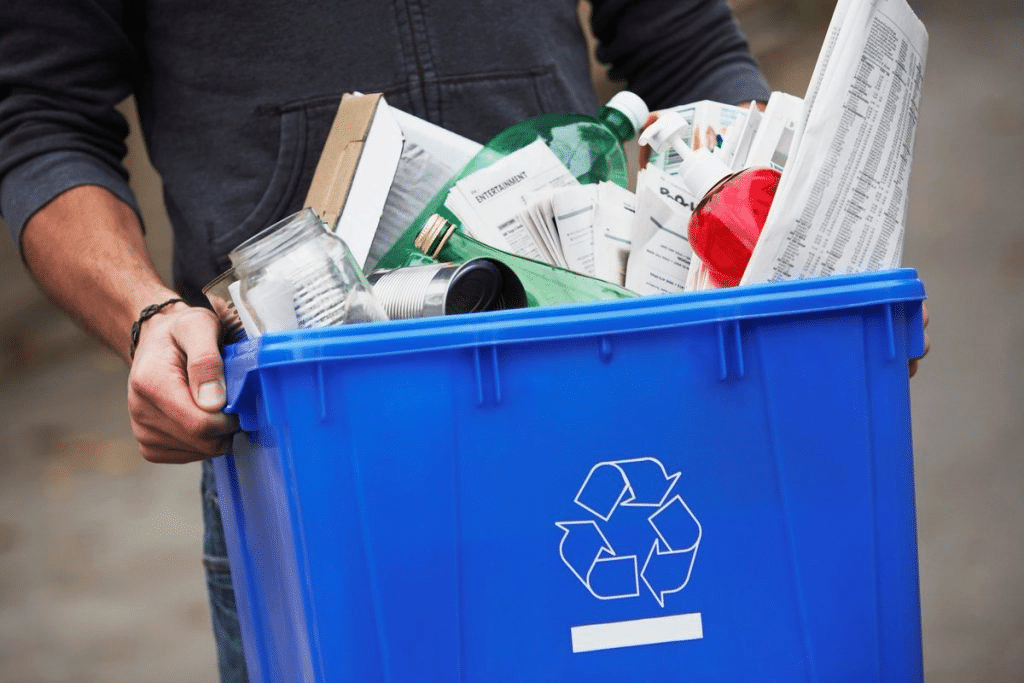
Household Waste Management: The Complete Guide
A clean and well-kept home is every homeowner’s dream, but keeping up with the amount of waste that comes from the average household can seem…
Read article
 Blogs
How Do You Get Rid of an Old Fridge Freezer Safely?
A fridge freezer cannot go in your wheelie bin or be left on the kerb. Here are the legal ways to get rid of one, and how to prepare it so the job goes smoothly.
Read article