
What Do You Do With DIY Rubble and Plasterboard?
Blogs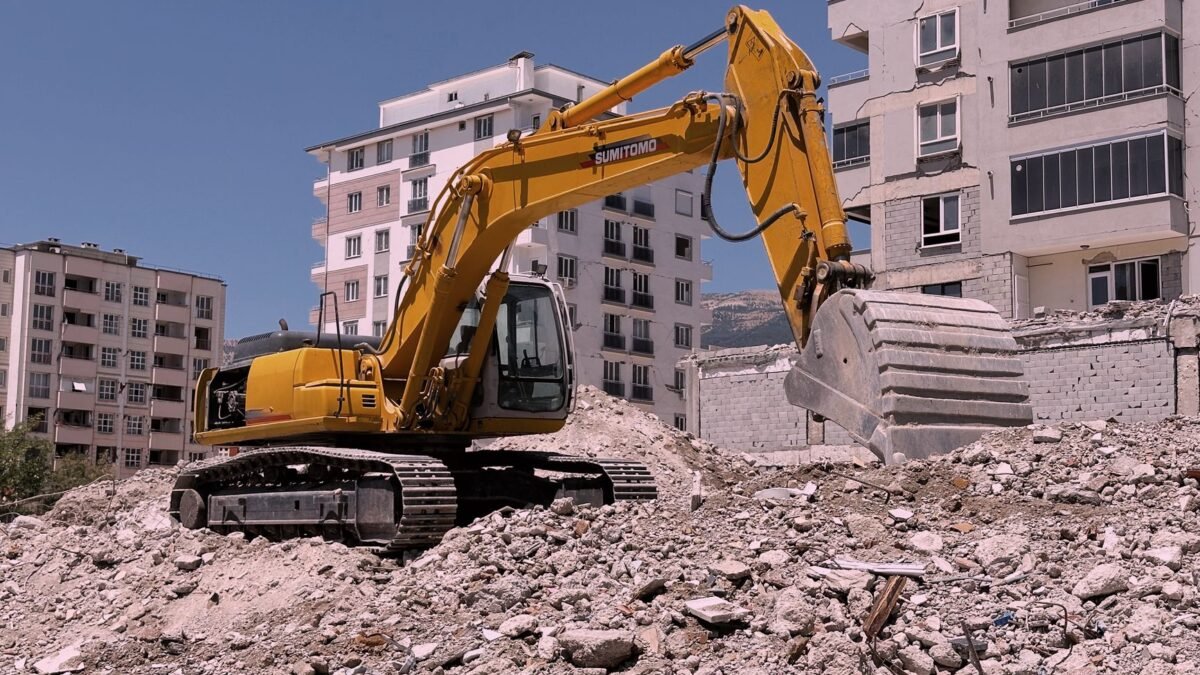
The job itself takes a weekend. The waste takes over the driveway for a month. Anyone who has taken out a fireplace, ripped up a bathroom floor or stripped a kitchen knows how quickly rubble, plasterboard and broken tiles pile up, and how little of it fits into a normal household bin.
This guide explains what counts as DIY waste, how to sort it, how to store it safely and how to get rid of it without breaking the law or ending up with a fly-tipping problem you did not cause.
Is DIY waste the same as household waste?
Not quite. Waste from ordinary day-to-day living goes in your kerbside bins. Waste from building work is different. It is heavy, bulky and often needs separating, so councils tend to treat it differently from your weekly rubbish.
In practice that means:
- Rubble, bricks, soil and plasterboard are not usually accepted in your general or recycling bins.
- Household recycling centres often have their own rules for DIY waste, such as limits on quantity or separate containers. These vary from council to council, so check your local council’s website before you load the car.
- If a builder or tradesperson did the work, the waste is generally theirs to deal with, not yours to leave in your bin or garden.
That last point matters. If you hire someone, ask in advance who is taking the waste away and how. A quote that quietly leaves the rubbish with you can turn into a very large pile.
Sort the waste as you go
The single most useful habit is sorting while you work rather than after. Mixed waste is harder to handle, and clean, separated materials are far easier to reuse or recycle.
Rubble, brick, concrete and tiles
These are heavy and dense. Keep them separate from lighter waste and put them in small, manageable loads. A bag that looks half full can already be too heavy to lift safely.
Plasterboard
Plasterboard needs to be kept apart from other waste, because it is recycled separately and does not behave well when mixed with general rubbish. Keep it dry. Wet plasterboard becomes heavy, crumbly and messy very quickly.
Timber, doors and old units
Untreated wood, old doors, kitchen cabinets and flooring can often be reused or recycled. Keep them stacked flat and off the ground so they do not get soaked.
Metal, pipework and fittings
Copper pipe, old radiators, steel brackets and similar items have value as scrap and can be recycled. Pile them together rather than mixing them into the rubble.
General offcuts and packaging
Cardboard, plastic wrapping, insulation offcuts and carpet underlay make up the bulk of what is left. Keep them in a separate bag from the heavy materials.
Check for asbestos before you break anything
If your home was built or refurbished before the year 2000, there is a chance that some materials contain asbestos. It can turn up in textured ceiling coatings, old floor tiles, pipe lagging, garage roofs and cement sheeting.
- Do not drill, sand, break or sweep anything you suspect might contain asbestos.
- Do not put it in a bag with other waste.
- Get it tested and, if needed, removed by a specialist.
We cannot collect asbestos, and a reputable carrier will say the same. If you are unsure, stop work and get advice first. It is far easier than dealing with contaminated rubble afterwards.
Also keep out the awkward items
Alongside asbestos, a few other things from renovations need separate handling: leftover paint and solvents, sealant tubes, adhesives, and anything with chemical residue. Do not tip them into the rubble pile. Keep them sealed and in their original containers while you arrange proper disposal.
Storing waste while the job carries on
A little planning keeps the site safe and keeps neighbours on your side.
- Keep it on your property. Leaving bags on the pavement or road can cause an obstruction and may need permission from the council.
- Keep it covered. Rain turns plasterboard to sludge and makes rubble bags heavier and more likely to split.
- Do not overfill bags. A bag that you can lift comfortably is one that a crew can load without it tearing.
- Keep paths clear. Access to the pile should be easy, ideally with no steps or awkward gates in the way.
- Keep children and pets away. Broken tiles, nails and dust are all hazards.
Your options for getting rid of it
Skip bags
For a bathroom refit, a small knock-through or a garden project, skip bags are a practical choice. You fill the bag at your own pace, then it is collected when you are done. They suit jobs where the waste builds up over several days and you do not want a full-size skip taking over the drive.
Man and van
If the work is finished and you are left with a mixed pile, a man and van rubbish removal service takes it away in one go. The crew does the lifting and loading, which matters when you are staring at bags of rubble and a stack of old units.
Trade and builders’ waste
If you are a tradesperson, or you are managing a larger project, our builders and trade waste service is set up for regular or bigger clearances. Trade waste has its own legal requirements, and using a licensed carrier is part of meeting them.
The council tip
A trip to the recycling centre can work for small amounts, but check the rules first. Some sites restrict van or trailer use, limit DIY waste or ask for proof of address. Rubble and plasterboard are heavy, so it is worth thinking about what your car can safely carry.
Make sure the person taking it is licensed
Whoever collects your waste has to be a registered waste carrier. If your rubble ends up dumped in a lane in Walsall or a lay-by near Solihull, you can be held responsible for it, even though you never touched it.
Before you hand anything over:
- Ask for the carrier’s Environment Agency waste carrier licence number and check it on the public register.
- Ask where the waste will be taken.
- Get a receipt or waste transfer note for what was collected.
Our own licence number is CBDU654313, and we keep as much as possible out of landfill. Over 90% of the waste we collect is reused, recycled or recovered, and clean, sorted materials make that much easier.
A quick checklist before collection day
- Waste sorted into heavy rubble, plasterboard, wood, metal and general offcuts.
- No asbestos, paint or chemicals mixed in.
- Bags a safe weight to lift and not overfilled.
- Everything kept dry and on your own property.
- Clear access to the pile for the crew.
- A licensed carrier arranged, with paperwork to follow.
Ready to clear the pile?
If the renovation is done and the waste is still sitting in the garden, we can take it off your hands. Book a collection online and we will sort the lifting, loading and responsible disposal, so you can enjoy the finished room.
Need rubbish removed?
Junkbusters is a licensed waste carrier covering Birmingham and the West Midlands. Same-day collections, all lifting included.
More rubbish removal guides
 Blogs
What Should a Landlord Do With Items a Tenant Leaves Behind?
When a tenant leaves furniture, rubbish or personal belongings behind, clearing it too quickly can cause problems. This guide covers the sensible order of steps for landlords.
Read article
 Blogs
How Do You Clear a Hoarded Home Without Causing Distress?
Clearing a hoarded home is as much about people as rubbish. Here is a calm, step-by-step approach that keeps everyone safe and respects the person whose home it is.
Read article
 Blogs
What to Do Before Clearing a Loved One’s Home After a Death
Clearing a relative's home is hard enough without worrying you have done things in the wrong order. Here is a calm, practical checklist for what to sort out before anything leaves the house.
Read article